Introduction
A heart attack is one of the most serious medical emergencies that can affect a person’s health and quality of life. It occurs when the blood flow to a part of the heart is blocked, preventing the heart muscle from receiving enough oxygen.
Immediate medical attention and proper treatment are essential to reduce damage to the heart. Medicines play a crucial role in treating heart attacks, improving recovery, and preventing future complications.
ommon Symptoms
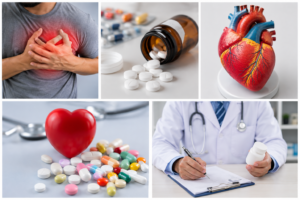
Some common symptoms of a heart attack include:
- Chest pain or discomfort
- Shortness of breath
- Pain in the arms, neck, jaw, or back
-
The Role of Medicines in Heart Attack Treatment
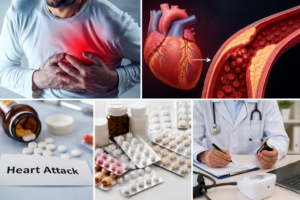
Medicines are an important part of heart attack treatment. They help restore blood flow, reduce strain on the heart, prevent complications, and support long-term recovery. Doctors prescribe different medications based on the patient’s condition and medical history.
Common Medicines Used After a Heart Attack
Antiplatelet Medicines
These medicines help prevent blood cells called platelets from sticking together and forming clots. They reduce the risk of further blockages and future heart attacks.
Anticoagulants
Anticoagulants, often called blood thinners, help prevent the formation of new blood clots. They are commonly used in patients who are at a higher risk of clot-related complications.
-
Beta Blockers
Beta blockers reduce the workload of the heart by slowing the heart rate and lowering blood pressure. This allows the heart to function more efficiently during recovery.
ACE Inhibitors
These medicines help relax blood vessels, making it easier for blood to flow throughout the body. They also help reduce stress on the heart and may prevent further heart damage.
Cholesterol-Lowering Medicines
High cholesterol is a major risk factor for heart disease. Cholesterol-lowering medications help reduce harmful cholesterol levels and decrease the risk of future cardiovascular problems.
Lifestyle Changes Along with Medication
Maintaining a Heart-Healthy Diet
A balanced diet rich in fruits, vegetables, whole grains, and lean proteins can support heart health. Limiting saturated fats, processed foods, and excess salt is also important.
Regular Physical Activity
Exercise helps strengthen the heart and improve overall cardiovascular health. Patients should follow their doctor’s recommendations regarding physical activity after recovery.
Avoiding Smoking and Excessive Alcohol
Smoking damages blood vessels and increases the risk of heart disease. Avoiding tobacco products and limiting alcohol consumption can significantly improve heart health.
Managing Stress
Long-term stress can negatively affect heart health. Practicing relaxation techniques, getting enough sleep, and maintaining a healthy work-life balance can help reduce stress levels.