Introduction
A healthy lifestyle isn’t about following a strict diet or spending hours in the gym every day. It’s about making simple, consistent choices that help you feel healthier, stronger, and more energetic.
Regular exercise, healthy eating, proper sleep, and managing stress can all play an important role in maintaining a healthy lifestyle. Among different forms of exercise, running is one of the simplest because you can do it almost anywhere without needing expensive equipment.
Whether you’re a complete beginner or already physically active, building healthy habits can make a positive difference in your everyday life.
In this blog, we’ll look at the benefits of running and regular exercise, how beginners can get started, the importance of nutrition and recovery, and some simple ways to stay motivated.
Fitness-related options
- What Is a Healthy Lifestyle?
- Benefits of Running and Regular Exercise
- How to Start Running as a Beginner
- Running vs Walking: Which Is Better?
- Healthy Diet for an Active Lifestyle
- Importance of Sleep and Recovery
- Common Exercise Mistakes Beginners Make
- How to Stay Motivated
- Sample Weekly Fitness Plan
- Frequently Asked Questions
- Conclusion
What Is a Healthy Lifestyle?
A healthy lifestyle means creating a balance between physical activity, nutritious food, sleep, mental well-being, and everyday habits.

Some simple healthy lifestyle habits include:
- Exercising regularly
- Eating nutritious foods
- Drinking enough water
- Getting adequate sleep
- Managing stress
- Avoiding smoking and excessive alcohol
- Maintaining a healthy body weight
You don’t have to change everything at once. Trying to completely change your lifestyle overnight can be difficult to maintain.
Instead, start with one or two small habits and gradually build a routine that works for you.
Benefits of Running and Regular Exercise
Regular physical activity can provide several benefits for both your body and mind. You don’t necessarily need to do intense workouts to become more active. Even activities such as walking, jogging, cycling, or simple strength exercises can be useful.

Helps Manage Weight
Running and other physical activities use energy and can support healthy weight management when combined with balanced eating habits.
The amount of activity you need can vary from person to person, so it’s better to focus on consistency rather than trying to burn as many calories as possible.
Supports Heart Health
Running, brisk walking, and other aerobic activities can improve cardiovascular fitness. Regular movement helps your heart and lungs work efficiently.
You don’t need to start with long runs. Gradually increasing your activity can be a good approach for beginners.
Improves Stamina
If you’re not used to exercising, you may feel tired after a short walk or jog. With regular practice, your endurance can gradually improve.
Over time, activities that once felt difficult may become easier.
Strengthens Muscles and Bones
Regular physical activity helps maintain muscle strength and supports bone health.
Combining aerobic activities such as walking or running with strength exercises can provide a more balanced fitness routine.
Helps Reduce Stress
Exercise isn’t only about physical fitness. Being active can also be a good way to take a break from everyday stress.
A walk outside, a short run, or a simple workout can help you feel refreshed and improve your mood.
May Improve Sleep
Regular physical activity may help you sleep better and feel more refreshed during the day.
However, if you exercise close to bedtime and find that it affects your sleep, try moving your workout to an earlier time.
How to Start Running as a Beginner
If you’ve never run before, don’t feel pressured to start with long distances.
Running is something you can gradually build into your routine.
Start Slowly
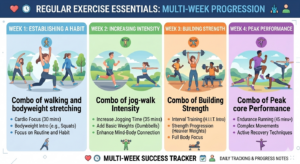
Begin with around 20–30 minutes of walking. Once your body becomes comfortable with regular walking, you can slowly introduce short periods of jogging.
There’s no need to compare your starting point with someone else’s fitness level.
Try the Walk-Run Method
One simple approach is to alternate between walking and jogging.
For example:
- Walk for 3 minutes
- Jog for 1 minute
- Repeat for 20–30 minutes
As your fitness improves, you can gradually increase the amount of time you spend jogging.
Wear Comfortable Shoes
Comfortable, well-fitting shoes can make your walks and runs more enjoyable.
If you’re planning to run regularly, choose footwear that feels comfortable and suits your activity.
Take Rest Days
Rest is an important part of any fitness routine. Your body needs time to recover after exercise.
You don’t have to run every day to make progress. Give yourself enough time to recover, especially when you’re just starting.
Running vs Walking: Which Is Better?
Both walking and running can be useful forms of physical activity. The better choice depends on your current fitness level, preferences, and goals.

Walking
- Beginner-friendly
- Lower impact
- Easy to include in your daily routine
- Can be done at different intensities
- Useful for active recovery
Running
- Higher intensity
- Burns more energy per minute
- Can improve cardiovascular fitness
- Requires gradual progression for beginners
- Can be challenging for people who are new to exercise
If you’re a beginner, walking is an excellent place to start. Once you become comfortable, you can gradually introduce jogging or running.
The most important thing is to choose an activity that you can enjoy and continue regularly.
Healthy Diet for an Active Lifestyle
Exercise works best when combined with nutritious eating habits. Your body needs enough energy and nutrients to support your daily activities and recovery.

Include More of These Foods
Depending on your dietary preferences, you can include:
- Eggs
- Chicken and fish
- Vegetables
- Fruits
- Whole grains
- Pulses and beans
- Nuts and seeds
- Curd and other nutritious dairy products
- Plenty of water
Limit These Foods
Try to limit excessive consumption of:
- Sugary drinks
- Highly processed foods
- Fried foods
- Excessive sweets
- Foods high in added salt and sugar
Remember
A healthy diet doesn’t mean starving yourself or completely avoiding the foods you enjoy.
The goal is to eat a variety of nutritious foods in appropriate portions and develop eating habits that you can maintain over time.
Importance of Sleep and Recovery
Exercise is only one part of a healthy lifestyle. Recovery is equally important.
Sleep
Good-quality sleep gives your body time to recover and supports your overall health.
Try to maintain a regular sleep schedule and create a comfortable environment that helps you get enough rest.
Rest Days
You don’t need to exercise intensely every day.
Taking rest days gives your body time to recover and can help you return to your workouts feeling refreshed.
Stretching
Gentle stretching can be included before or after physical activity, depending on your routine.
Don’t force your body into uncomfortable positions. Keep movements controlled and comfortable.
Common Exercise Mistakes Beginners Make
Starting a new fitness routine is exciting, but it’s easy to make mistakes when you’re trying to progress quickly.
Here are some common mistakes to avoid:
Running Too Much Too Soon
Trying to run long distances immediately can make exercise unnecessarily difficult. Start with a manageable amount and increase gradually.
Skipping Warm-Ups
A few minutes of gentle movement before exercise can help you prepare your body for your workout.
Ignoring Rest Days
More exercise isn’t always better. Your body needs recovery time.
Not Drinking Enough Water
Remember to stay hydrated, particularly when you’re exercising or spending time outdoors in hot weather.
Focusing Only on Exercise
Exercise is important, but nutrition, sleep, and recovery are also part of a healthy lifestyle.
Comparing Your Progress With Others
Everyone starts at a different fitness level. Focus on your own progress instead of comparing yourself with someone who has been exercising for years.
Giving Up Too Quickly
Fitness doesn’t change overnight. Building strength and endurance takes time.
Consistency is much more important than trying to be perfect.
How to Stay Motivated
Staying motivated can be difficult, especially when you’re just starting a new routine.
The key is to make your goals realistic and create habits that fit into your lifestyle.
Set Small Goals
Instead of immediately aiming to run 10 kilometres, start with smaller goals such as:
- Walking 5,000 steps
- Completing a 20-minute workout
- Running continuously for 5 minutes
- Exercising three days a week
Achieving small goals can give you the confidence to take on bigger ones.
Track Your Progress
You can use a notebook, fitness app, or smartwatch to keep track of things such as:
- Steps
- Distance
- Running time
- Workout frequency
- Personal improvements
Seeing your progress over time can help you stay motivated.
Stay Consistent
You don’t need to have a perfect workout every day.
If you only have 15 or 20 minutes, use that time. A short workout is better than constantly waiting for the “perfect” time to exercise.
Sample Weekly Fitness Plan
Here’s a simple example of how a beginner might organize a week.
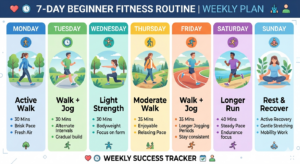
Tip: Beginners should adjust the duration and intensity according to their fitness level and comfort.
Frequently Asked Questions
How many days a week should a beginner exercise?
A beginner can start with around 3–5 days of moderate physical activity per week, depending on their current fitness level. Start gradually and increase activity as your body becomes more comfortable.
Is running every day necessary?
No. Running every day isn’t necessary for everyone. Rest and recovery are important, especially for beginners. You can combine running with walking, strength training, and rest days.
Can walking help with weight management?
Yes. Regular brisk walking increases physical activity and can support weight management when combined with appropriate eating habits.
What should I eat before running?
A light snack or meal containing easily digested carbohydrates can be suitable before exercise. Avoid trying heavy or unfamiliar foods immediately before running.
How long does it take to become fit?
There isn’t a fixed timeline because everyone’s fitness level and goals are different. Regular exercise, nutritious food, adequate sleep, and recovery can help you gradually improve.
Conclusion
A healthy lifestyle doesn’t require extreme workouts or complicated diets. Small and consistent habits can make a meaningful difference over time.
Start by walking, gradually introduce running or other forms of exercise, eat nutritious foods, drink enough water, get adequate sleep, and give your body enough time to recover.
Most importantly, don’t focus only on how quickly you can reach your fitness goals. Focus on building habits that you can realistically maintain for years.
Start small. Stay consistent. Keep moving. Build a healthier life.